
Creating useful content is only part of the job. A website owner also needs to know whether people can find it, which topics attract attention, and what to improve next. That work is becoming more complicated as search results evolve and audiences discover information through video, social platforms, and AI-generated answers. A practical strategy connects these channels instead of treating each one as a separate project.
Start with questions your audience actually asks
Before writing a blog post or recording a video, identify the problem it should solve. A technology business might hear questions about choosing a laptop, setting up secure backups, or fixing a slow network. These questions are more useful starting points than a broad topic such as “computers,” because they suggest what readers need to know and how they might search for it.
Look at customer emails, support requests, comments, and conversations with sales or service teams. Search query data can also reveal the wording people use and the pages they visit. Group related questions into themes, then decide which one deserves a detailed guide and which can be answered in a shorter format. This keeps a content plan grounded in real needs rather than guesses.
Measure visibility, not just traffic
Website analytics often encourage a narrow focus on visits. Traffic matters, but it does not tell the whole story. A page may be gaining impressions or appearing for new queries before those appearances turn into clicks. Search performance data can help identify those changes and show whether a page is reaching the audience it was made for.
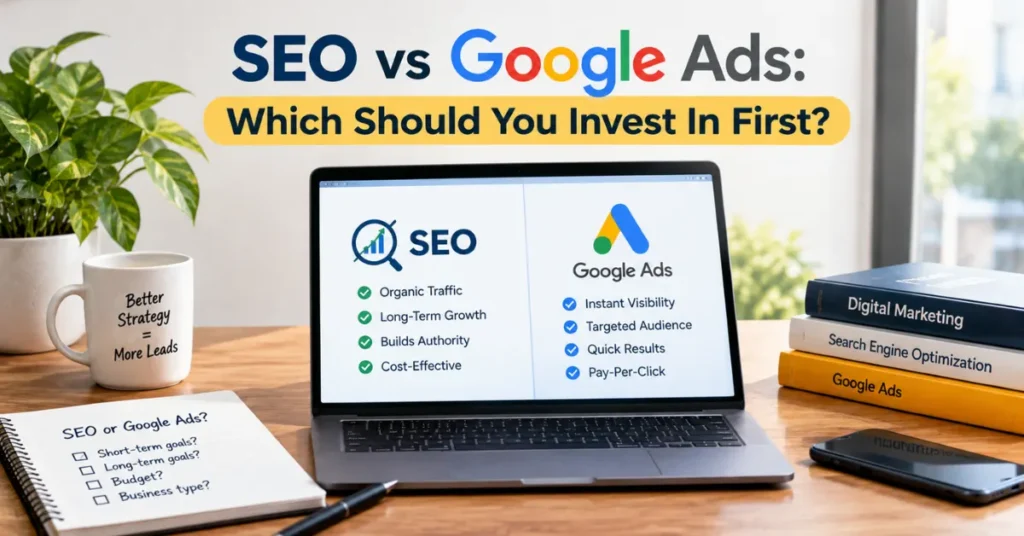
As search experiences incorporate more AI-generated answers, publishers are also paying attention to whether their work is cited or surfaced in those experiences. It is worth learning what data is available and how to interpret it carefully. A guide to AI citation reporting can help explain ways to use Google Search Console data to spot promising pages, develop related material, and strengthen connections between useful resources.
Do not treat one new metric as a verdict on your content. Reporting tools have limits, and search behavior changes over time. Compare periods, review the queries and pages behind a change, and look for patterns rather than reacting to a single fluctuation. If a page earns attention on a specific subject, that may be a signal to answer the next question in the same topic area.
Build useful paths between related pages
A strong content library should help readers move naturally from one answer to another. If a guide explains how to secure a home Wi-Fi network, it might point to a related article on password managers or router updates. These internal links give readers a next step and help search systems understand how the site’s information is organized.
Make those links specific. “Read more” tells a reader little about what comes next, while a descriptive phrase sets a clear expectation. Link only when the destination adds value, and check older pages when publishing a new article. A recently written guide may be relevant to several existing resources that previously had no useful next step.
Related content should add depth, not repeat the same article in slightly different words. A cluster of pages can cover a subject from different angles: a beginner’s explanation, a troubleshooting checklist, and a comparison of available approaches. Together, they serve readers with different needs while giving each page a distinct purpose.
Use video as another way to explain
Some ideas are easier to demonstrate than to describe. A short video can show the steps in a software setting, compare two device features, or explain a quick fix. It can also bring a new audience to a subject already covered on a website. The goal is not to turn every article into a video, but to choose formats that suit the information.
Plan the video around one clear takeaway. A concise script or outline helps prevent a short clip from becoming a rushed summary of an entire article. Consider captions, readable on-screen text, a strong opening, and a direct next step for viewers. Then connect the video to a fuller resource when people need more detail.
Creators and small businesses who need regular short-form posts may decide to work with a video editor for creators rather than handle every cut themselves. Osdire is one freelance marketplace where buyers can find services across areas such as video, design, writing, and marketing. Before hiring, agree on deliverables, turnaround time, revision limits, file formats, and how project assets will be shared. Clear expectations help both sides avoid confusion once editing begins.
Review, improve, and repeat
A content strategy does not need to be complicated to be effective. Choose a real audience question, publish the best answer you can, connect it to relevant material, and review the results after it has had time to reach people. When data points to a promising page, update it if needed and consider what related question remains unanswered.
Keep a simple record of the topic, format, publication date, and performance signals you care about. Over time, this makes it easier to see which explanations work as articles, which lend themselves to video, and where readers still need help. The most useful strategy is not the one that produces the most content; it is the one that consistently makes information easier to find and use.