

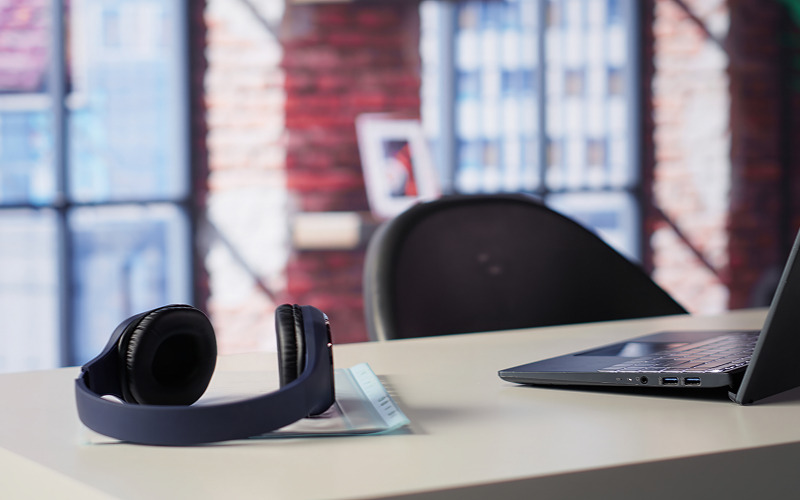
The right listening device depends on where you use it, how long you wear it and how much awareness you need of your surroundings. Some people want to reduce background noise during travel or focused work, while others prefer to hear more of the environment around them. Comparing noise-cancelling headphones with the best open-ear earbuds starts with understanding these differences.
Neither design suits every routine. Considering your daily habits can help you select audio gear that feels comfortable and fits your listening environment.
1. Commuting Through Busy Environments
Public transport can expose listeners to engine noise, announcements and conversations. Active noise cancellation can reduce certain types of background sound, making listening more comfortable at a suitable volume. Its effectiveness varies by device and noise type.
The best open-ear earbuds leave the ear canal unobstructed or use a design that keeps the audio source outside it. This may help you remain more aware of nearby sounds, although it does not guarantee that every announcement or warning will be audible.
Consider your route and the level of awareness you need. Keep volume at a safe level, and pause audio when you need to hear important announcements or navigate a busy station.
2. Working in Shared Spaces
For concentration in an office, library or shared workspace, noise-cancelling headphones may help reduce steady background sounds. This can make it easier to focus without turning music up to compete with the environment.
However, noise cancellation does not remove every sound. Nearby speech, sudden noises and announcements may still be audible. If you need to respond to colleagues, consider a mode that allows outside sound through or remove the headphones when appropriate.
The best open-ear earbuds may suit people who need to hear conversations while listening to audio quietly. Their suitability depends on how much sound they leak and how well they perform in a noisy room.
3. Exercising and Moving Outdoors
People who walk, run or cycle need to consider their surroundings carefully. The best open-ear earbuds can leave the ear canal open, but listeners still need to pay attention to traffic, people and environmental cues. Design alone cannot guarantee awareness or safety.
Noise-cancelling headphones may be more appropriate for stationary exercise in a controlled indoor setting, depending on the device’s fit and sweat resistance. Bulky over-ear designs can feel warm during strenuous activity, while some earbuds may move during repeated motion.
Check the manufacturer’s guidance for water and sweat exposure, and choose a secure fit. When moving near traffic, prioritise hearing and responding to your environment over uninterrupted playback.
4. Wearing Audio Gear for Hours
Comfort becomes more important during long listening sessions. Over-ear headphones can create pressure around the head or ears, while earbuds may cause discomfort if their shape does not suit the listener.
Try the device for long enough to notice pressure points, heat and fit stability. For earbuds, check how the design sits around the ear and whether it remains comfortable when you move. For headphones, assess the headband, cushion depth and clamping force.
Take regular breaks regardless of the device type. If you experience pain, numbness or persistent irritation, stop using the product and reassess the fit.
5. Taking Calls and Joining Online Meetings
Call quality depends on microphone placement, noise handling and the environment. A device that sounds good for music may not deliver the same performance for voice calls.
Consider where you take meetings. In a quiet room, many designs may be adequate. In a shared space, check how well the microphone handles nearby speech and background noise. Test controls for muting, answering calls and switching between devices.
If you frequently move between a laptop and phone, review multipoint connectivity or the switching process. Confirm these features for the exact model because specifications differ across product lines.
6. Deciding How Much Environmental Sound You Want
Your preference for isolation may be the deciding factor. Noise-cancelling headphones can reduce background sound, which may suit travel and focused listening. Open-ear earbuds allow more environmental sound to reach the ears, which some people prefer for work or outdoor routines.
Neither design removes the need for sensible volume levels. Extended exposure to loud audio can harm hearing, even when the listener feels comfortable. Choose a volume that allows you to listen without unnecessary strain and take breaks during lengthy sessions.
Pros vs Considerations
| Device type | Pros | Considerations |
| Noise-cancelling headphones | Can reduce steady background noise; may suit travel and focused work | May feel warm or bulky; cancellation does not eliminate every sound |
| Open-ear earbuds | Leave the ear canal unobstructed; may help users hear more ambient sound | Environmental awareness is not guaranteed; audio may be harder to hear in noisy places |
Your routine should guide the choice between isolation and environmental awareness. Consider commuting, work, exercise, call quality and wearing comfort before focusing on extra features or appearance.
When comparing noise-cancelling headphones with open-ear earbuds, try the fit and controls in conditions close to your intended use.
Visit One Futureworld for you to compare available audio devices and find an option that suits your listening habits.