

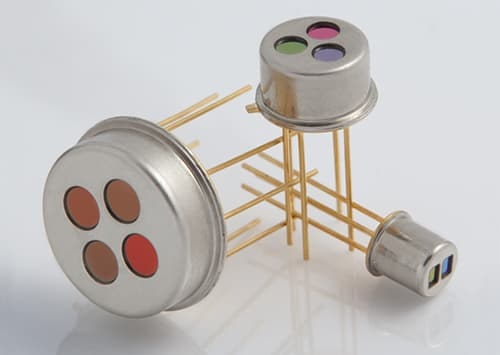
In the rapidly evolving world of sensor technology, pyroelectric detectors have emerged as critical components in numerous applications, ranging from motion sensing to environmental monitoring. These devices harness the pyroelectric effect, which allows certain materials to generate an electrical charge in response to temperature changes. Understanding the principles behind pyroelectric detectors, their practical applications, and best practices for implementation is essential for engineers, researchers, and technology enthusiasts aiming to leverage their capabilities effectively.
Understanding the Basics of a Pyroelectric Detector
A pyroelectric detector is a sensor that responds to variations in infrared radiation or heat. When the surface temperature of the pyroelectric material changes, it produces a temporary voltage due to the reorientation of electric dipoles within the crystal lattice. This voltage can then be measured and processed, providing valuable information about the presence, movement, or thermal characteristics of nearby objects.
These detectors are widely appreciated for their sensitivity and speed. Unlike thermistors or bolometers, which require direct contact or rely on slower thermal conduction processes, pyroelectric detectors can detect rapid changes in heat or infrared radiation from a distance. This makes them ideal for applications where quick detection of movement or temperature fluctuation is essential.
Materials commonly used in pyroelectric detectors include lithium tantalate (LiTaO3), triglycine sulfate (TGS), and lead zirconate titanate (PZT). The choice of material impacts sensitivity, response time, and operating temperature range. Engineers must carefully select the appropriate material based on the specific requirements of the intended application.
Applications of Pyroelectric Detectors in Modern Technology
Pyroelectric detectors are integral to a wide array of modern devices and systems. One of the most familiar applications is motion detection in security systems. By detecting the infrared radiation emitted by humans or animals, these sensors can trigger alarms, lighting systems, or cameras, providing enhanced safety and energy efficiency.
In addition to security, pyroelectric detectors are used in environmental monitoring equipment. They can detect heat signatures associated with changes in atmospheric conditions or the presence of specific chemicals when integrated with infrared spectroscopy systems. Industrial processes also benefit from pyroelectric detectors, particularly in scenarios where temperature changes need to be monitored precisely and non-invasively.
Medical and scientific research is another area where pyroelectric detectors are valuable. They can detect minute temperature changes in biological samples, enabling studies of cellular processes, metabolism, or thermal imaging applications. By providing fast, sensitive, and reliable measurements, pyroelectric detectors support innovation in both diagnostic and experimental fields.
Practical Implementation of Pyroelectric Detectors
Implementing a pyroelectric detector requires careful consideration of several factors to maximize performance. One of the most important is ensuring proper alignment and orientation of the detector relative to the source of infrared radiation. Accurate positioning enhances sensitivity and reduces false triggers caused by extraneous heat sources.
Signal processing is another critical aspect. The electrical signal generated by a pyroelectric detector is typically very small and may require amplification and filtering. Using low-noise amplifiers and appropriate signal conditioning techniques ensures that the output is reliable and accurate. Many systems also incorporate algorithms to differentiate between relevant signals, such as human movement, and background thermal noise.
Temperature stabilization and shielding are additional considerations. Pyroelectric detectors are sensitive to environmental temperature changes, which can introduce drift or baseline shifts in the signal. Implementing thermal isolation or compensation mechanisms helps maintain consistent performance, particularly in outdoor or industrial environments.
Integration with other technologies enhances the utility of pyroelectric detectors. For example, combining these sensors with microcontrollers, wireless communication modules, or camera systems enables smart automation and real-time monitoring. In home automation, pyroelectric detectors can trigger lighting, heating, or security systems automatically, enhancing convenience and energy efficiency.
Advantages and Considerations
Pyroelectric detectors offer numerous advantages that make them appealing across industries. Their fast response time, high sensitivity, and ability to detect heat from a distance set them apart from many alternative sensors. They are compact, energy-efficient, and adaptable to various configurations, making them suitable for both standalone and integrated systems.
However, successful implementation requires understanding certain limitations. Pyroelectric detectors cannot measure static temperatures effectively, as they respond primarily to changes in infrared radiation. This means that they are most effective in applications involving movement or transient heat events. Additionally, their sensitivity to environmental temperature fluctuations necessitates careful system design to minimize false positives or signal drift.
Maintenance and calibration are also essential considerations. Regular verification ensures that the detector maintains its sensitivity and accuracy over time. In high-precision applications, periodic recalibration may be necessary to account for material aging or environmental factors.